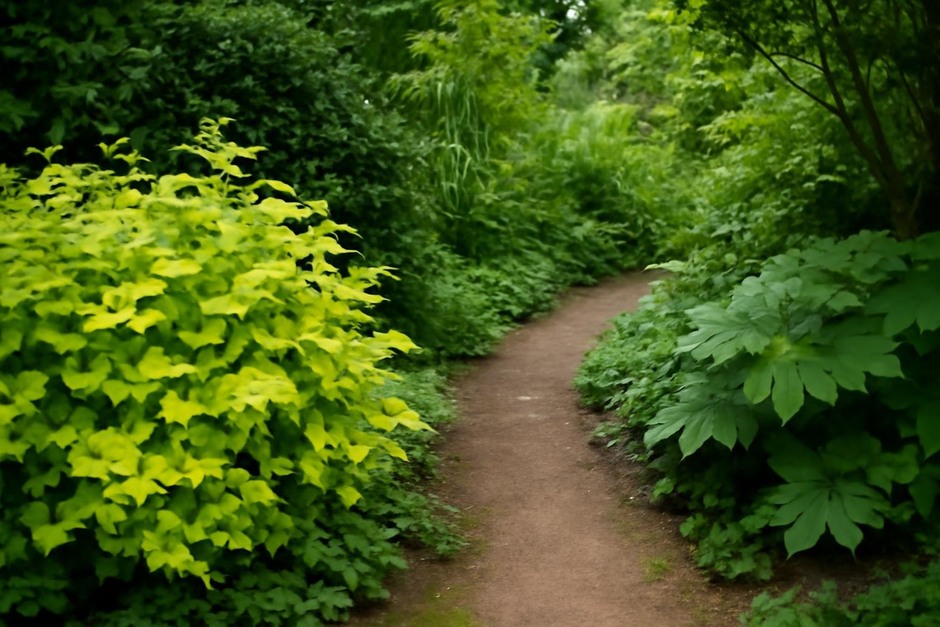
Slow Study or Quick Sweep: Two Practical Routines for Photographing Garden Corners
Photographing a small patch of garden is a useful practice for improving attention and composition. Two contrasting approaches work well: a Slow Study that asks you to stay, observe, and make deliberate pictures; and a Quick Sweep that trains your eye to see possibilities in passing. Below I compare each approach, give step‑by‑step ways to try them, and offer guidance for choosing which to use on a given day.
Approach 1 — Slow Study: close, calm, considered
The Slow Study is about patience and depth. Spend uninterrupted time in a single corner, treating it like a still life. The goal is to notice relationships—light, texture, line, and small movements—and to make a handful of carefully considered images.
How to practice a Slow Study
- Pick a spot and set a simple limit: 10–20 minutes in one place. Bring only what you need (camera or phone, maybe a small reflector such as a white card).
- Start by looking without the camera for 1–2 minutes. Notice where the light falls, where shadows lie, and which plants or objects catch your eye.
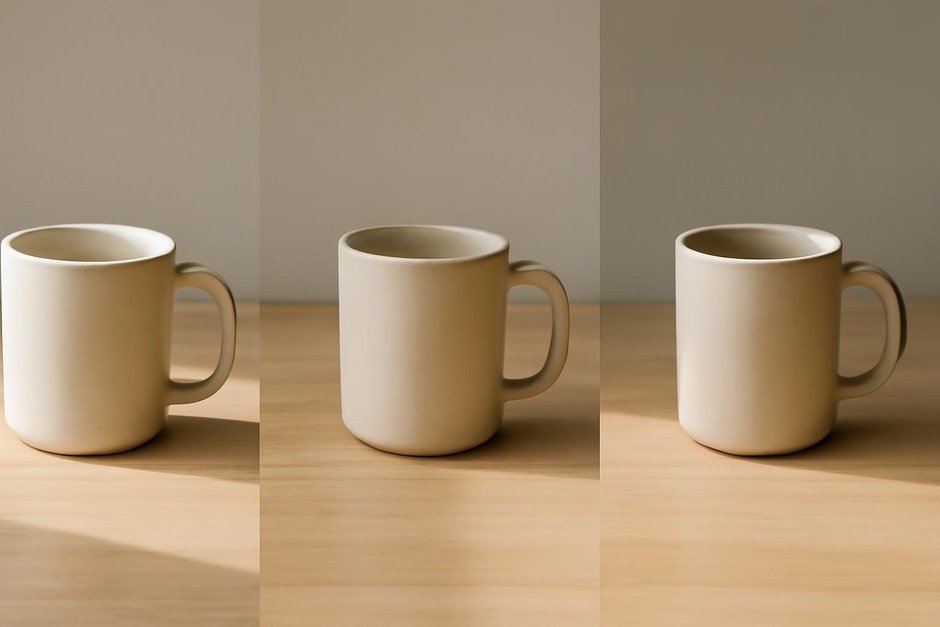
- Make three composition tests: a wide view to show context, a mid-range frame for relationships, and a close detail. Take your time with each.
- Adjust perspective—kneel, stand higher, or move the camera side to side—and shoot the same subject from 2–3 different heights.
- Finish by picking the single image you like most and taking one careful final exposure, making any small tweaks to framing or focus.
Strengths and trade-offs
- Strengths: builds visual memory, yields refined images, helps notice quiet details.
- Trade-offs: time-consuming and can feel slow if you prefer movement; risks overworking a scene if you overthink.
Approach 2 — Quick Sweep: fast, playful, opportunistic
The Quick Sweep is useful when you have limited time or want to harvest surprises. It’s a brisk, mobile routine that favors quantity, variety, and serendipity over long study.
How to practice a Quick Sweep
- Set a short timer: 3–5 minutes for a single corner, or 7–10 minutes for a small path.
- Walk through the area steadily, shooting anything that catches your eye without stopping for long. Prioritize contrast, color pops, or movement.
- Allow imperfect frames. The aim is to collect interesting moments rather than perfect compositions.
- At the end, pick your two or three favorite frames quickly. Note one reason you liked each (light, pattern, expression of plant life).
Strengths and trade-offs
- Strengths: trains quick recognition, keeps practice frequent, produces a wide variety of visual material.
- Trade-offs: can favor clichés or missed opportunities for depth; requires later sorting and reflection.
Choosing between Slow Study and Quick Sweep
Both approaches sharpen different skills. Use the Slow Study when you want to deepen observation, learn to see subtle light and texture, or create a composed image for printing or careful sharing. Choose the Quick Sweep when time is limited, when you want to build a habit of daily shooting, or when you’re looking to loosen up and encourage playful experimentation.
Here are a few practical selectors:
- Feeling rushed: Quick Sweep. Set the timer and keep moving.
- Wanting a satisfying single image: Slow Study. Commit the minutes and work a scene.
- Weather or light is dramatic: Quick Sweep to capture fleeting conditions; return later for a Slow Study if it holds.
- Learning a new compositional idea: Slow Study so you can test and refine it deliberately.
A short, repeatable routine combining both
To get the benefits of each, try this 15‑minute mixed routine once or twice a week. It’s easy to repeat and builds both speed and depth.
- Warm up (3 minutes): Quick Sweep through the corner. Shoot freely, collect loose impressions.
- Focus (10 minutes): Pick one subject from the sweep that feels promising. Do a Slow Study—three composition tests and one final careful shot.
- Reflect (2 minutes): Review images and choose one favorite. Note one thing you learned (about light, angle, or timing) to try next time.
Over weeks, alternate days when you only do short Quick Sweeps to keep your eye active, and set aside one Slow Study session to slow down and practice depth. Both habits are small, repeatable, and suited to everyday life—a camera in hand, attention sharpened, and the quiet pleasure of learning to see the familiar anew.